
Dental problems rarely happen at a convenient time. A sudden toothache in the middle of the night, a chipped tooth during a weekend sporting event, or unexpected swelling can leave you wondering whether to wait for your regular appointment or seek immediate care.
While not every dental issue is an emergency, some situations require prompt treatment to protect your oral health and prevent lasting damage.
Ignoring serious symptoms can increase pain, allow infections to spread, and make treatment more complex than it needs to be.
Understanding the difference between a routine dental concern and a true emergency can help you act quickly when it matters most. The sooner you receive professional care, the better the outcome is likely to be.
This guide explains the most common dental emergencies, the warning signs you shouldn’t ignore, and when it’s time to contact an emergency dentist in Lawrenceville.
What Are the Signs That You Need an Emergency Dentist?
Not every dental problem requires immediate treatment, but certain symptoms should never be ignored.
The severity of your pain, the presence of swelling or bleeding, and whether a tooth has been damaged can help you determine how quickly to seek care.
1. Severe or Persistent Toothache
A toothache that continues, worsens, or makes it difficult to eat or sleep deserves prompt dental attention. It may be caused by deep tooth decay, inflammation inside the tooth, a crack, or an infection.
You should not assume the problem has resolved simply because the pain temporarily disappears. Some dental conditions can continue to develop even when symptoms change.
Contact an emergency dentist in Lawrenceville if the pain is severe, persistent, or accompanied by swelling, fever, or pain when biting.
A dental examination can help identify the cause and determine whether treatment such as a filling, root canal, or extraction is appropriate.
2. Swollen Gums, Jaw, or Face
Swelling around a tooth or along the jaw can indicate a dental infection, including an abscess. Other warning signs may include tenderness, redness, a bad taste in the mouth, or a small bump on the gums.
An infection may spread if it is left untreated, so do not wait for the swelling to become more noticeable before seeking advice. Contact a dentist urgently, particularly if you also have a fever or feel generally unwell.
Important note: If swelling affects your breathing or swallowing, or spreads rapidly through your face or neck, seek emergency medical care immediately. Do not wait for a routine dental appointment.
3. A Knocked-Out Tooth
A permanent tooth that has been completely knocked out needs immediate attention. Quick action can improve the chance of saving it, although the outcome depends on several factors.
If this happens:
- Pick up the tooth by the crown, which is the visible chewing surface.
- Avoid touching or scrubbing the root.
- If the tooth is dirty, rinse it gently with milk or saline. Do not scrub it.
- If possible, and you can do so safely, gently place the tooth back into its socket without forcing it.
- If you cannot reinsert it, keep it moist in milk or an appropriate tooth-preservation solution.
- Contact a dentist immediately and explain what happened.
Do not attempt to reinsert a knocked-out baby tooth. A dentist should assess the child instead.
The American Dental Association recommends keeping a knocked-out permanent tooth moist and getting to a dentist right away. Read its guidance on dental emergencies.
4. A Cracked, Chipped, or Broken Tooth
A chipped tooth may seem like a cosmetic concern, but a deeper fracture can expose sensitive inner layers or damage the pulp. You may experience sharp pain when chewing, sensitivity to hot or cold foods, or discomfort that comes and goes.
Rinse your mouth gently with warm water and apply a cold compress to the outside of your face if swelling develops. Avoid chewing on the affected side, and arrange a dental assessment as soon as possible if the tooth is painful or significantly damaged.
Keep any broken pieces you can recover and take them to your appointment.
Your dentist will assess the damage and recommend suitable treatment, which may involve bonding, a crown, root canal treatment, or another option depending on the extent of the fracture.
5. A Dental Abscess or Signs of Infection
A dental abscess is a pocket of pus caused by a bacterial infection in or around a tooth. It may develop because of untreated decay, a damaged tooth, or another dental problem.
Symptoms can include:
- Persistent, throbbing tooth pain
- Swelling around the tooth or gums
- Pain when biting or chewing
- A bad taste or unpleasant breath
- Fever or a general feeling of illness
- Swelling around the jaw
A dental abscess requires prompt professional treatment. It will not reliably resolve on its own, even if the pain temporarily decreases.
Smile Flossophy Lawrenceville offers emergency dental services, including assessment and treatment for dental abscesses.
Depending on the diagnosis, care may include drainage, treatment of the affected tooth, or extraction when the tooth cannot be saved.
Do not try to drain an abscess yourself or rely on leftover antibiotics. A dentist needs to identify and address the source of the infection. For additional information, see MedlinePlus guidance on tooth abscesses.
6. Uncontrolled Bleeding or Significant Dental Injury
Bleeding that continues after an injury to the mouth, gums, or teeth may need urgent assessment. Significant trauma can also damage the jaw or surrounding tissues, even when the teeth appear intact.
Apply gentle pressure with clean gauze if appropriate, but do not delay seeking help if bleeding is heavy or will not stop.
For severe bleeding, major facial trauma, suspected jaw fracture, or any injury that affects breathing, go to an emergency department or call 911 as appropriate.
Which Dental Problems Need Same-Day Treatment?
Some symptoms call for an appointment as soon as possible, while others may need immediate emergency medical care. Calling a dental office allows the team to ask about your symptoms and help determine the next step.
| Dental problem | Recommended action |
| Severe or persistent toothache | Contact a dentist promptly for an urgent assessment. |
| Swelling around a tooth or gums | Seek urgent dental care, especially if symptoms are worsening. |
| Knocked-out permanent tooth | Seek immediate dental care. |
| Broken tooth with pain or exposed inner tissue | Arrange prompt dental assessment. |
| Lost filling or crown with significant pain | Contact a dentist to assess the tooth and protect it. |
| Minor chip without pain or sensitivity | Arrange a dental appointment; urgency depends on the damage. |
| Bleeding that will not stop | Seek emergency medical assessment. |
| Facial swelling affecting breathing or swallowing | Call 911 or seek emergency medical care immediately. |
This table is a general guide, not a diagnosis. If you are unsure how serious your symptoms are, call a dental professional and describe what you are experiencing.
What Should You Do Before Your Emergency Dental Appointment?
A few simple steps can help you manage discomfort and protect the affected area while arranging professional care. These measures are temporary and should not replace a dental examination.
1. Rinse Gently and Keep the Area Clean
For a toothache or minor injury, gently rinse your mouth with warm water. If food is trapped between your teeth, carefully use dental floss rather than sharp objects.
Avoid poking the painful area or attempting to remove a damaged tooth yourself. If a tooth is broken, avoid chewing on that side until it has been assessed.
2. Use a Cold Compress for Swelling
A cold compress held against the outside of your cheek may help reduce swelling and discomfort after an injury. Wrap the compress in a cloth rather than placing ice directly against your skin.
Do not apply heat to facial swelling that may be caused by an infection, and seek urgent dental advice rather than relying on home care alone.
3. Manage Pain Safely
If you can safely take an over-the-counter pain reliever, follow the product label or your healthcare professional’s advice. Your medical history, other medicines, allergies, and age can affect which options are appropriate.
Never place aspirin directly on a tooth or gum because it can irritate and damage the tissue. Avoid using leftover prescription medicines or antibiotics without professional advice.
4. Call Before Visiting the Dental Office
Explain your symptoms, when they started, and whether you have swelling, fever, bleeding, or a damaged tooth. If a tooth has been knocked out, make that clear immediately.
Calling ahead helps the dental team assess the urgency and explain whether the office can see you that day. It also allows you to confirm the appointment details and any instructions to follow before arriving.
What Happens During an Emergency Dental Visit?
An emergency appointment focuses first on identifying the problem, relieving urgent symptoms, and deciding what treatment is needed. The exact process depends on the injury or condition.
1. Examination and Diagnosis
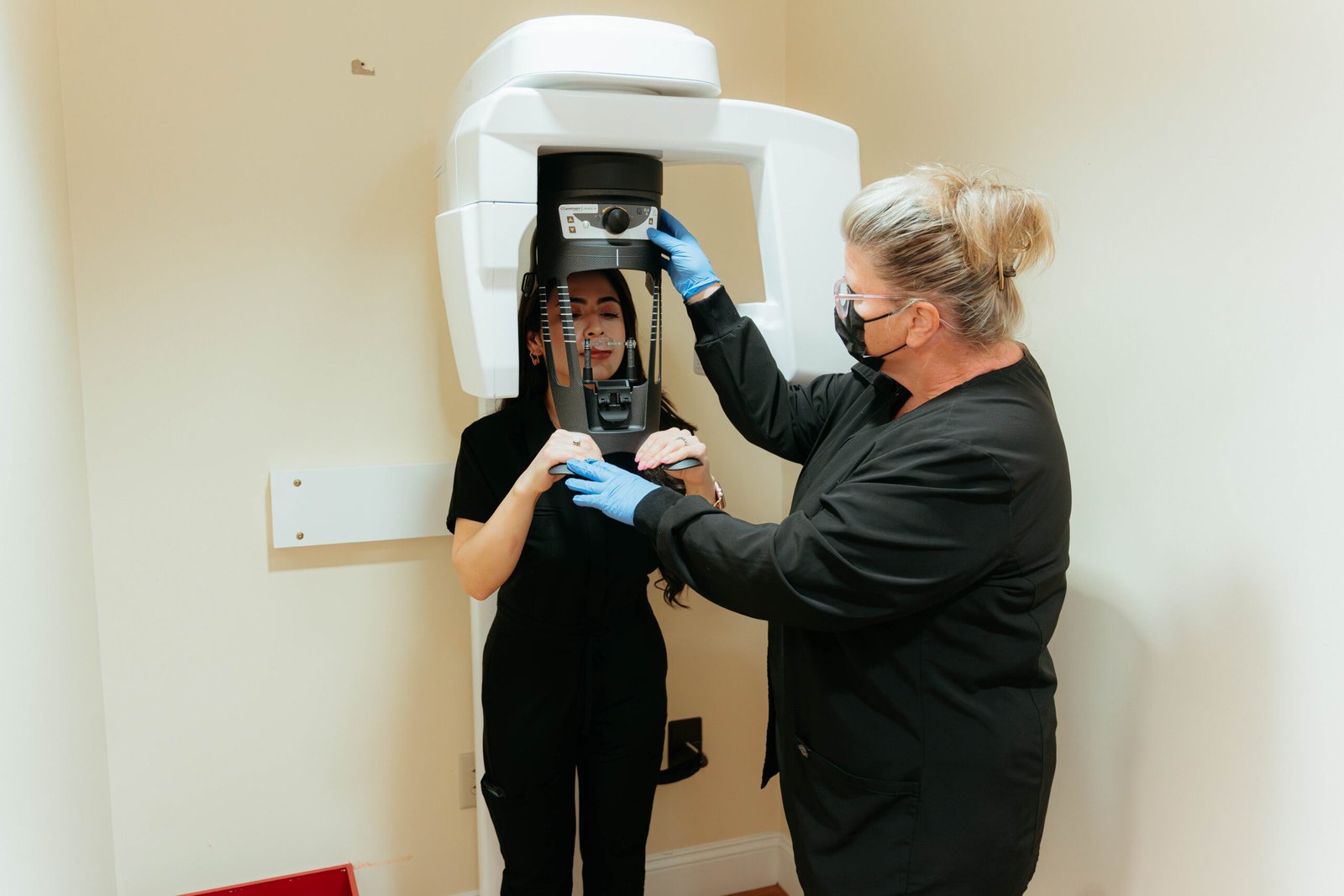
Your dentist will ask about your symptoms, when they began, and whether you have experienced a recent injury. They may examine your teeth, gums, jaw, and surrounding tissues and take dental X-rays if needed.
This assessment helps determine whether the problem involves tooth decay, a fracture, an infection, gum tissue, or another condition.
2. Treatment to Address the Immediate Problem
Once the cause has been identified, your dentist will explain the available options. Treatment may include repairing a damaged tooth, starting root canal treatment, draining an abscess, or removing a tooth that cannot be saved.
In some situations, the first appointment focuses on stabilizing the problem and relieving symptoms. Additional visits may be required to complete treatment or restore the tooth.
3. Guidance for Recovery and Follow-Up
Before you leave, your dental team should explain how to care for the affected area, what symptoms to watch for, and when to return. Following these instructions can help you recover and reduce the risk of further complications.
How Can You Tell if You Need an Emergency Dentist or a Hospital Emergency Room?
A dental office is generally the appropriate first point of contact for urgent problems involving a tooth or gums, such as severe toothache, a broken tooth, or a localized dental abscess.
However, some symptoms can signal a serious medical emergency. Call 911 or go to the nearest emergency department if you experience:
- Difficulty breathing or swallowing
- Severe or rapidly spreading facial or neck swelling
- Heavy, uncontrolled bleeding
- Major facial trauma or a suspected broken jaw
- Signs that an infection is affecting your overall condition, particularly when accompanied by difficulty breathing or swallowing
Do not delay emergency medical care while trying to arrange a dental appointment. A hospital can assess and manage life-threatening complications, although follow-up dental treatment may still be needed.
Where Can You Find an Emergency Dentist in Lawrenceville, NJ?
If you have a painful tooth, swelling, a broken tooth, or another urgent dental concern, Smile Flossophy Lawrenceville offers emergency dentistry and same-day appointments, subject to availability.
The practice lists services such as dental abscess drainage and infected tooth extractions among its emergency care options.
Your dentist will assess your symptoms and explain the treatment that best suits your condition.
Contact Smile Flossophy Lawrenceville:
- Phone: (609) 895-8882
- Address: 109 Franklin Corner Road, Lawrenceville, NJ 08648
- Website: https://smileflossophylawrenceville.com/
Call as early as possible, explain your symptoms clearly, and ask about the next available urgent appointment. Same-day availability can vary, so confirm directly with the practice.
Frequently Asked Questions About Emergency Dentistry in Lawrenceville
When should I see an emergency dentist in Lawrenceville?
You should contact an emergency dentist for severe or persistent tooth pain, facial or gum swelling, a knocked-out permanent tooth, a painful broken tooth, or signs of a dental infection. Heavy bleeding, major facial injuries, and swelling that affects breathing or swallowing may require immediate hospital care.
Can I get a same-day emergency dental appointment in Lawrenceville?
Smile Flossophy Lawrenceville offers same-day dental care and reserves time for urgent dental concerns, subject to availability. Call (609) 895-8882 to explain your symptoms and confirm whether an appointment is available.
Is a severe toothache considered a dental emergency?
A severe toothache can indicate deep decay, inflammation, a cracked tooth, or an infection. Contact a dentist promptly, particularly if the pain is persistent or accompanied by swelling, fever, or pain when biting. Do not rely on pain relief alone to resolve the underlying cause.
Should I go to the emergency room for a dental abscess?
A localized dental abscess usually requires urgent dental treatment. However, if you have difficulty breathing or swallowing, rapidly spreading facial or neck swelling, or other signs of a serious medical emergency, seek emergency medical care immediately.
What should I do if my permanent tooth gets knocked out?
Pick up the tooth by the crown, avoid touching the root, and keep it moist. If possible, gently place it back into its socket without forcing it. Otherwise, store it in milk or an appropriate tooth-preservation solution and get to a dentist immediately. Do not reinsert a knocked-out baby tooth.
Can a broken tooth wait until my regular dental appointment?
It depends on the extent of the damage. A small chip without pain may not need emergency treatment, but a fracture that causes significant pain, bleeding, sensitivity, or damage to the inner part of the tooth should be assessed promptly. Contact your dentist for guidance rather than assuming it can wait.
What emergency dental treatments are available at Smile Flossophy Lawrenceville?
Smile Flossophy lists emergency dental services for urgent problems such as severe tooth pain, broken teeth, dental abscesses, and infected teeth. Treatment may include abscess drainage or extraction when clinically appropriate. The dentist will recommend care after examining your condition.
Get Prompt Dental Care When Your Smile Needs It
Dental pain can disrupt your sleep, meals, work, and everyday routine. Recognizing the warning signs and contacting a dental professional early can help you get the right care before the problem becomes more complicated.
If you are experiencing severe pain, swelling, a dental injury, or signs of infection, do not wait for your next routine checkup. Call an emergency dentist in Lawrenceville as soon as possible.
At Smile Flossophy Lawrenceville, we understand that unexpected dental problems can be stressful. We offer emergency dental care with a focus on understanding your symptoms, explaining your treatment options, and helping you take the next step towards better oral health.
Our services include same-day dental care when appointments are available, along with treatment options for dental abscesses and infected teeth.
If something does not feel right with your teeth or gums, we encourage you to contact us rather than wait for the discomfort to worsen.
Call (609) 895-8882 to discuss your dental concern and ask about urgent appointment availability.